
Last updated August 25, 2026
Free on-site gate assessment - hinges, posts, and your LiftMaster or Nice gate operator checked before anything is quoted
The assessment is free and the quote is the invoice.
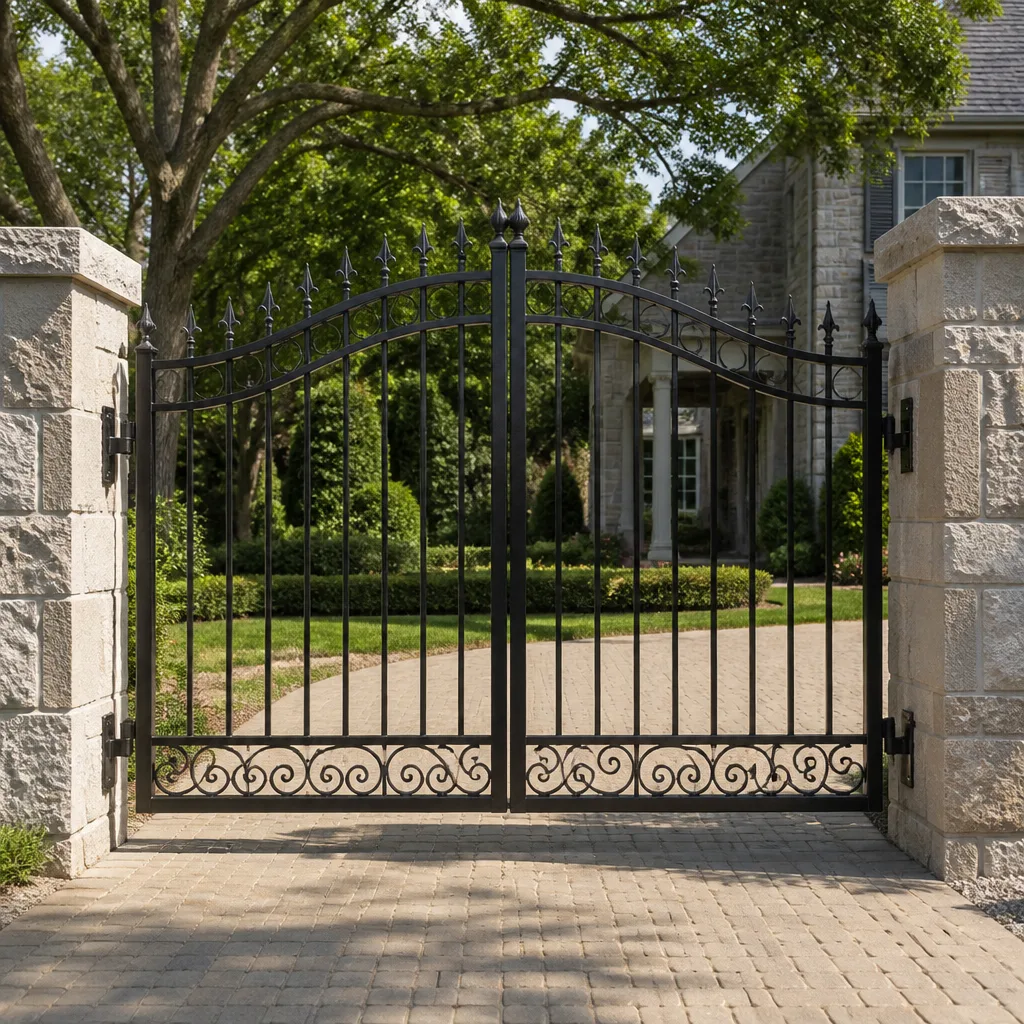
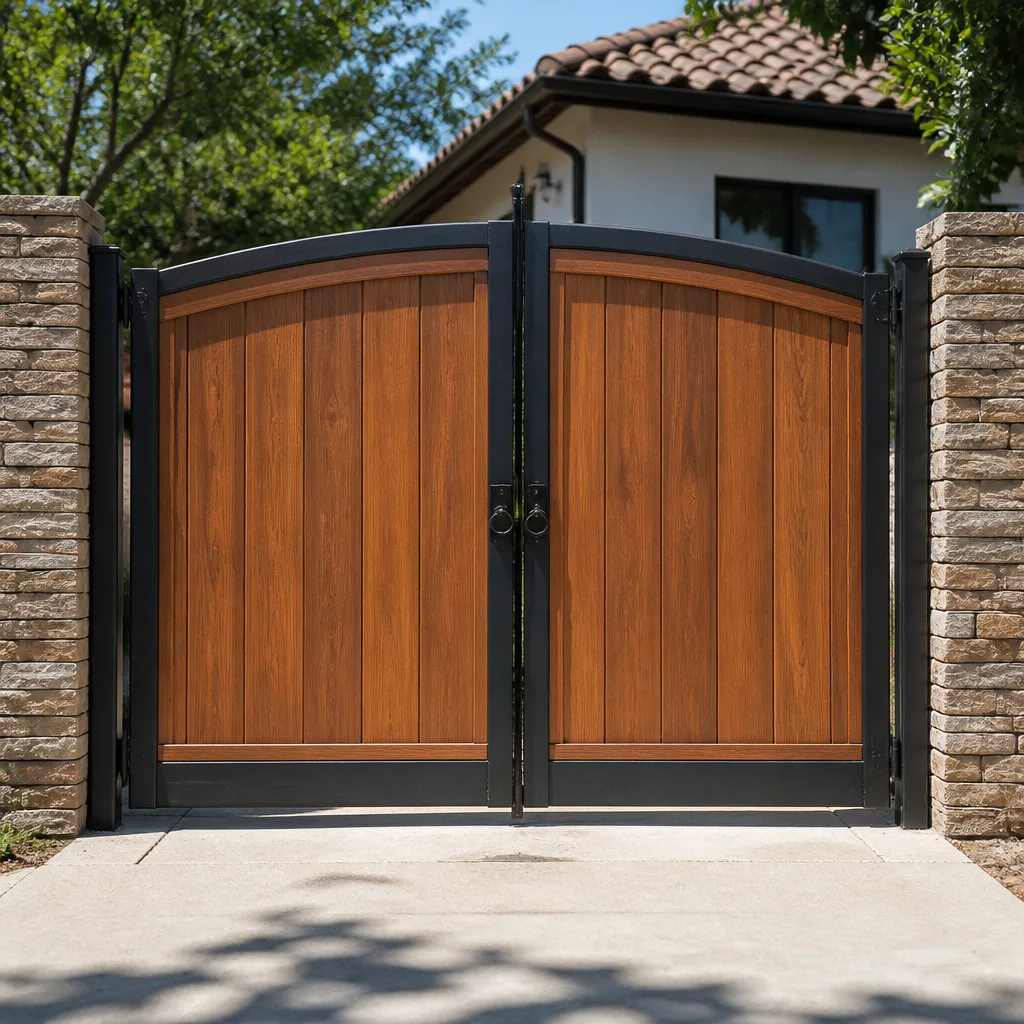
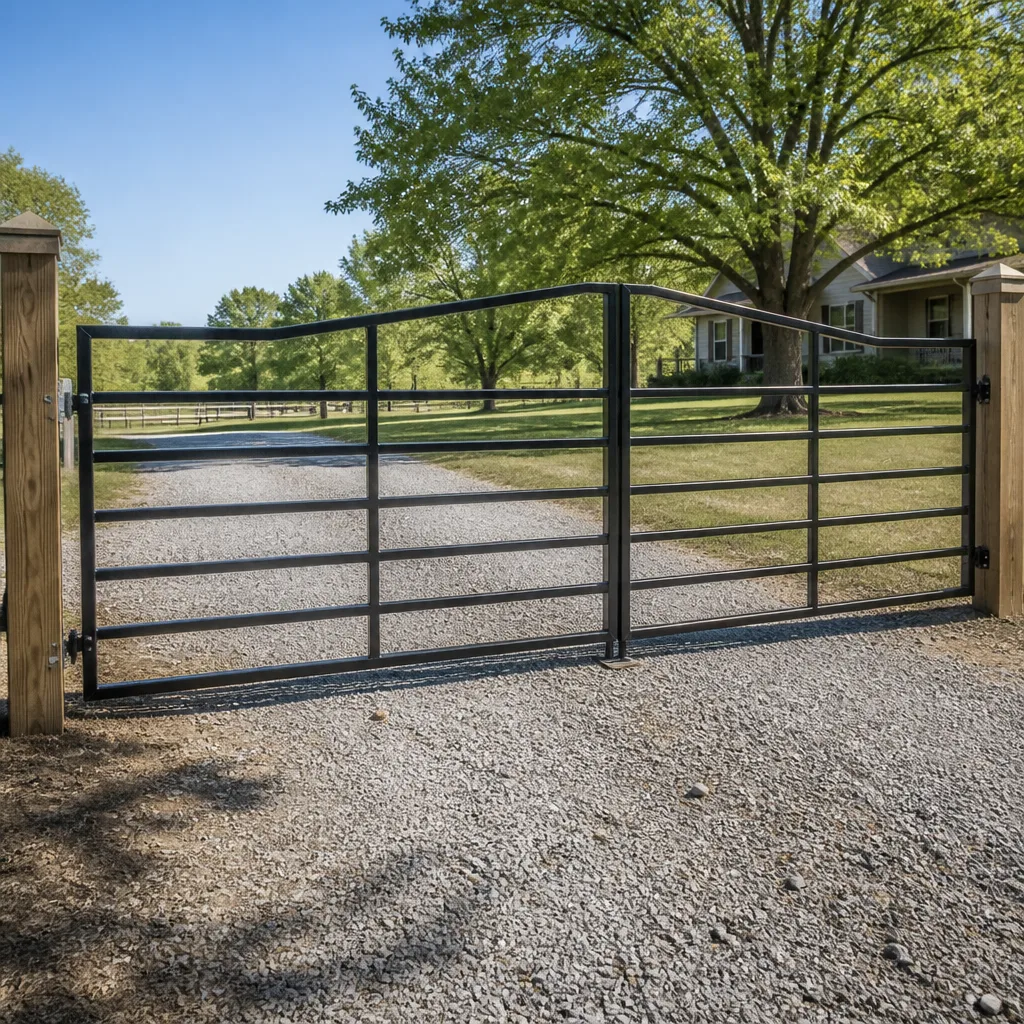
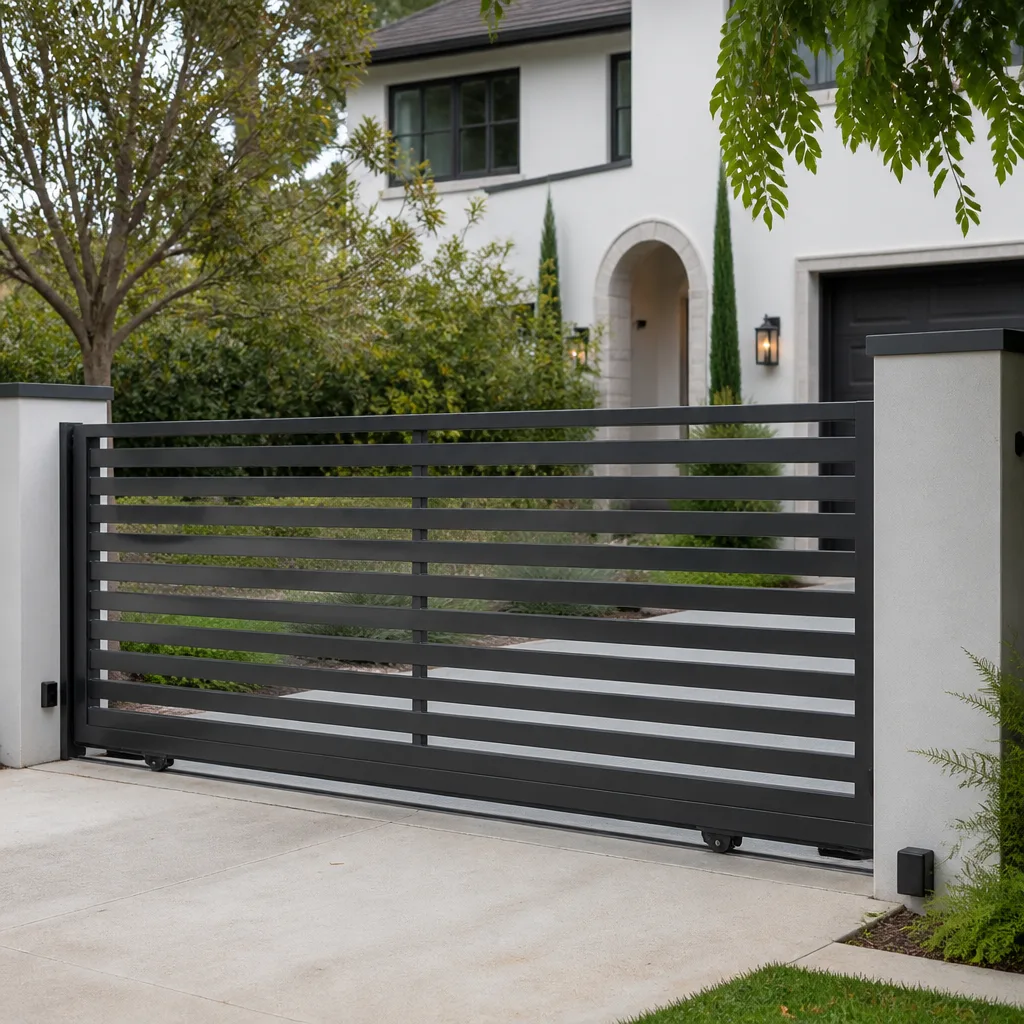
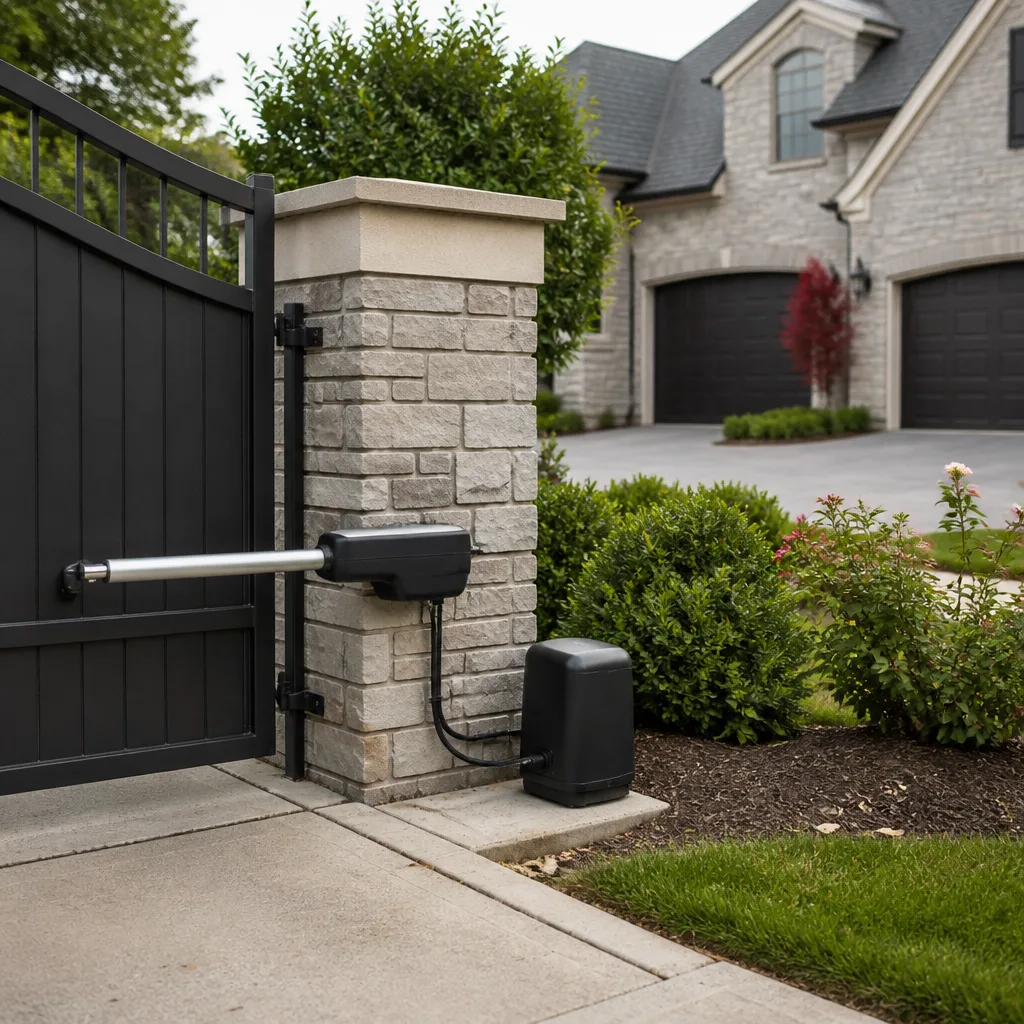
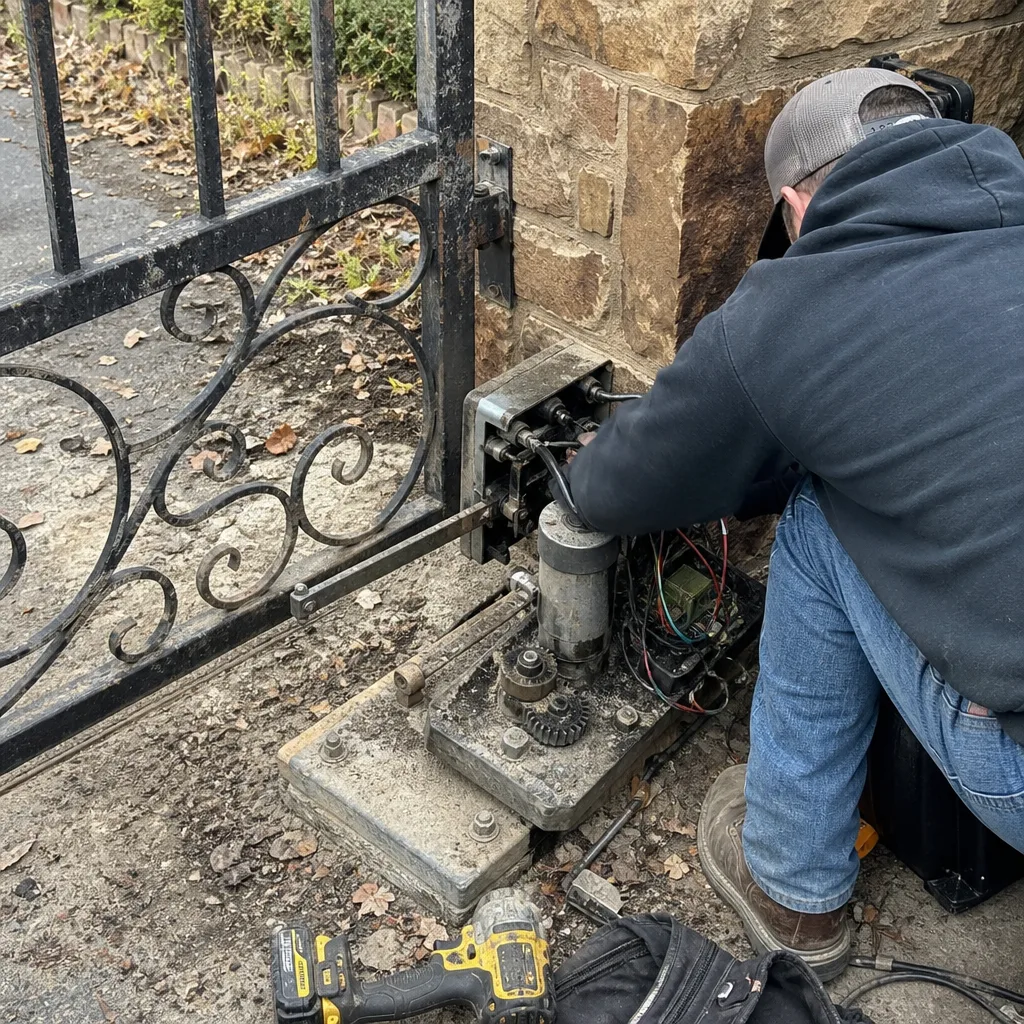 Before
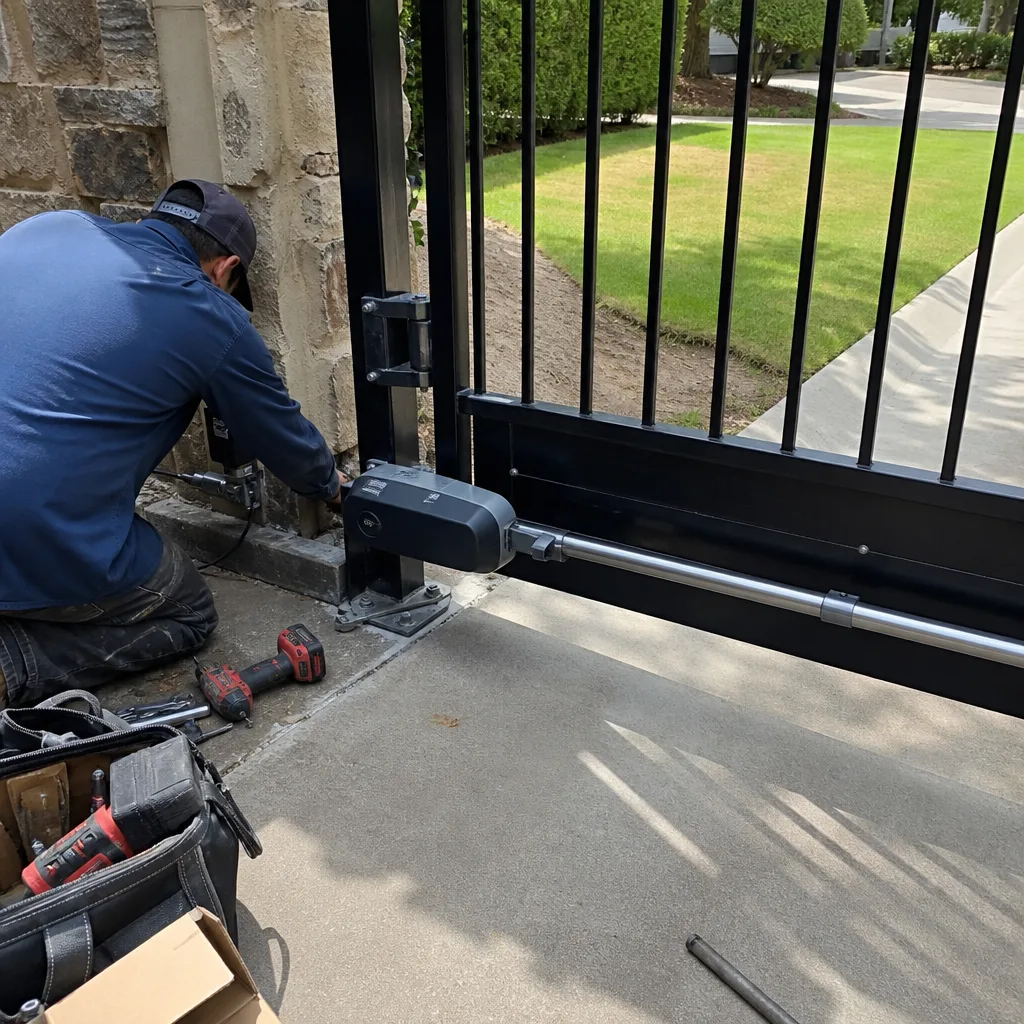 After
After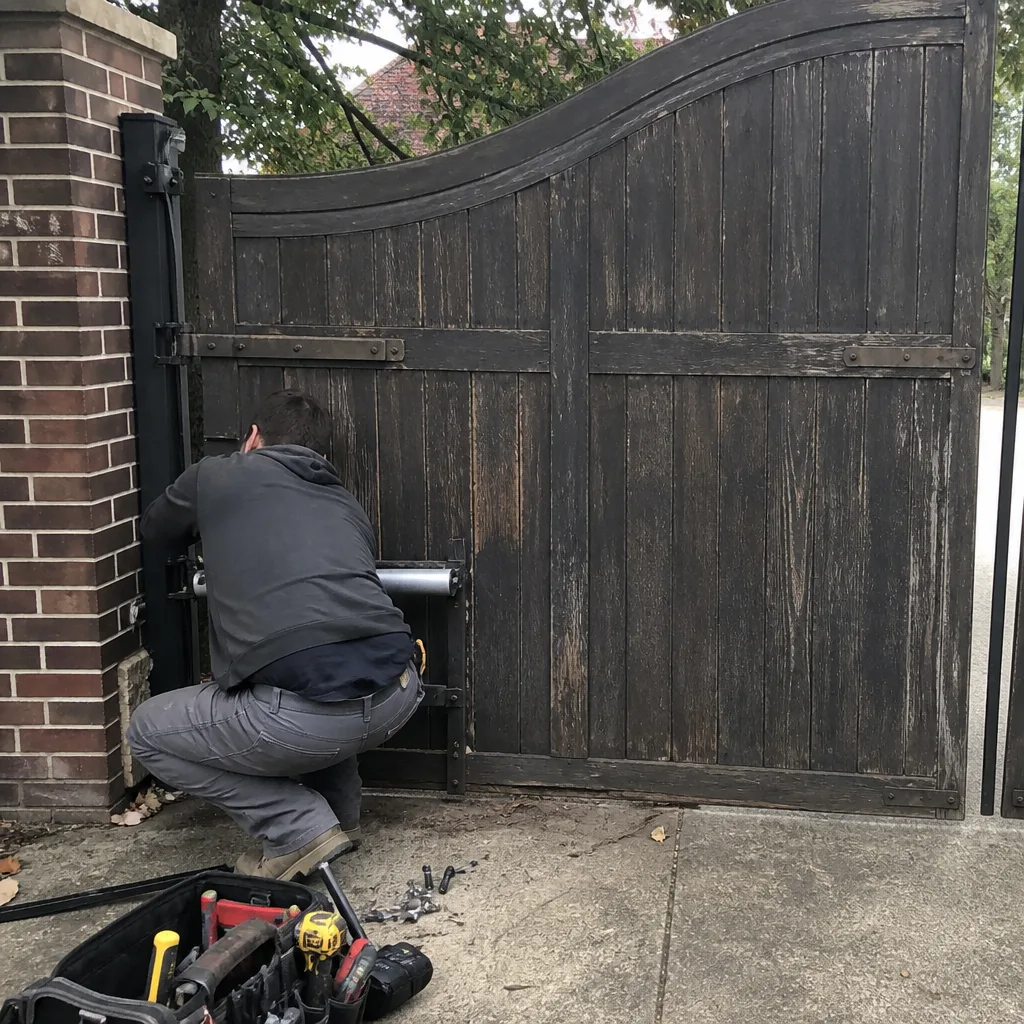 Before
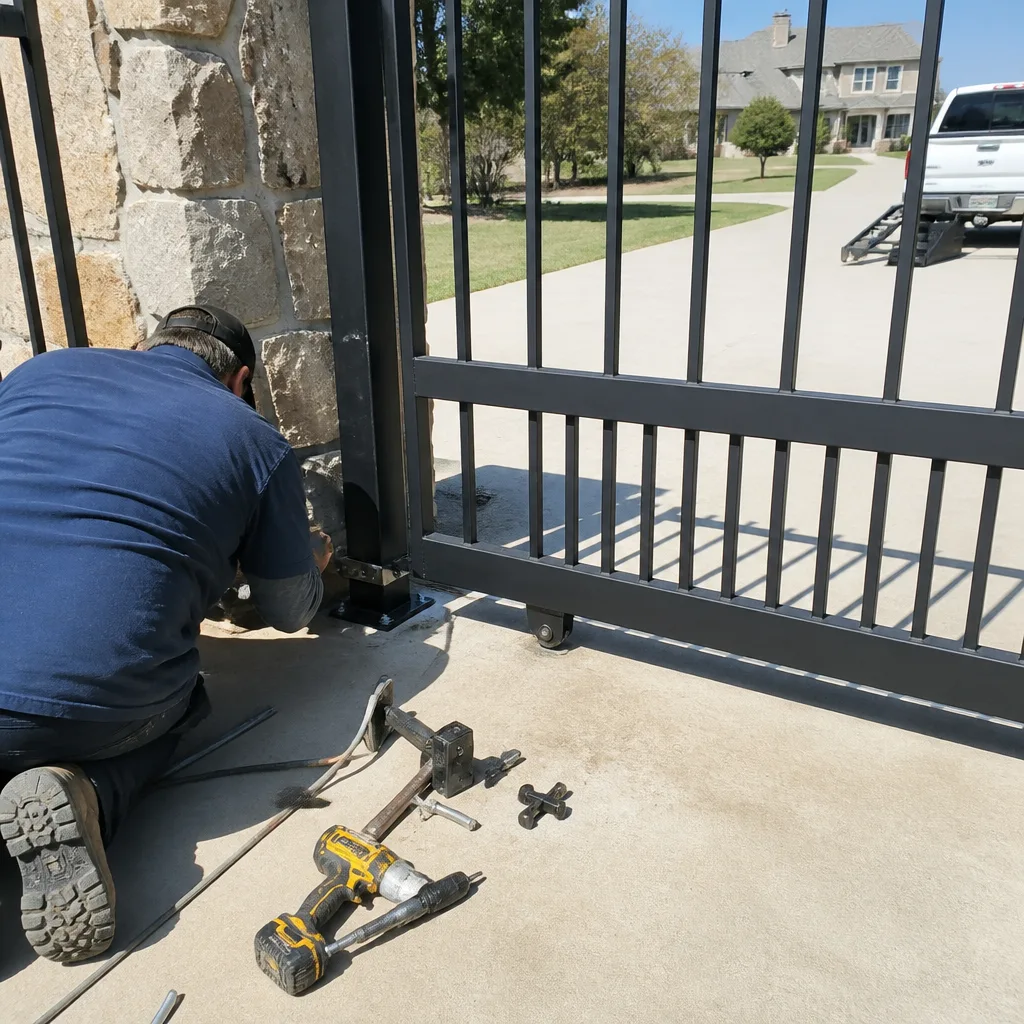 After
After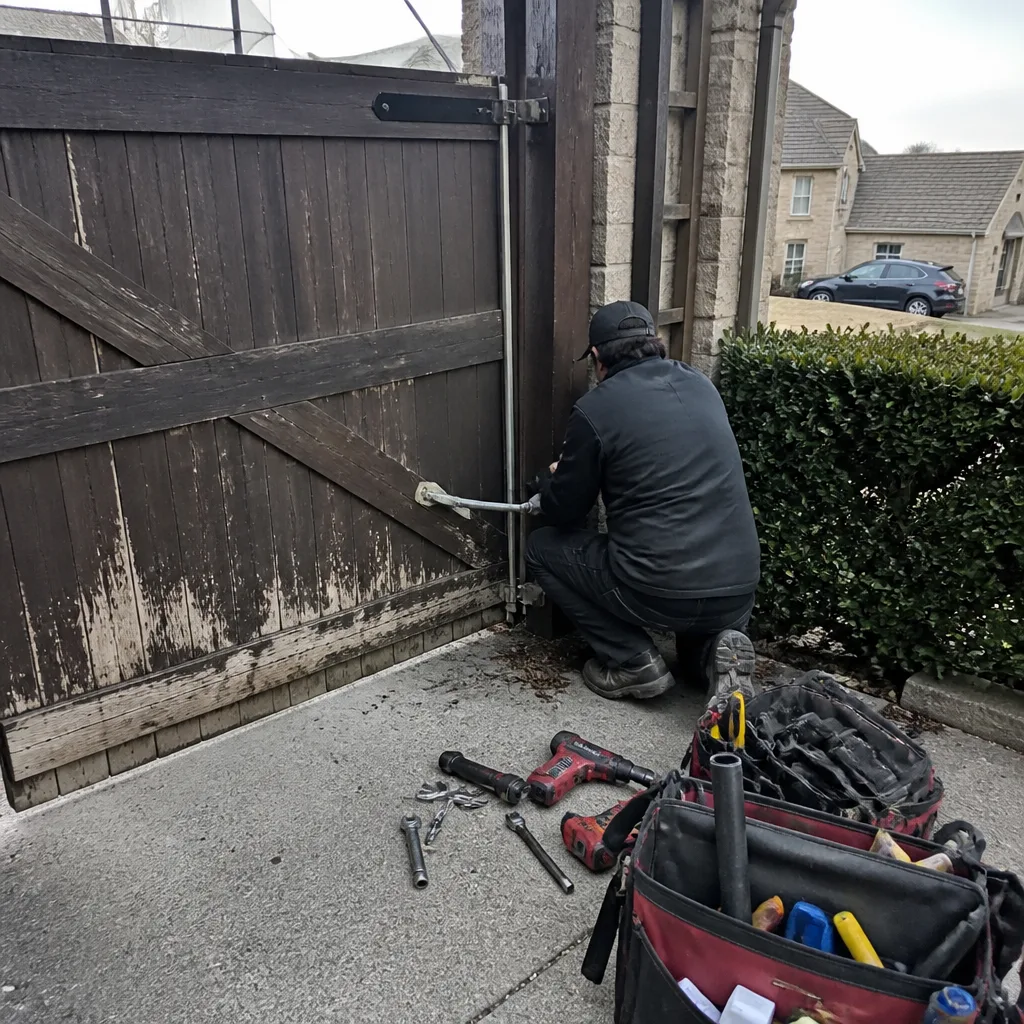 Before
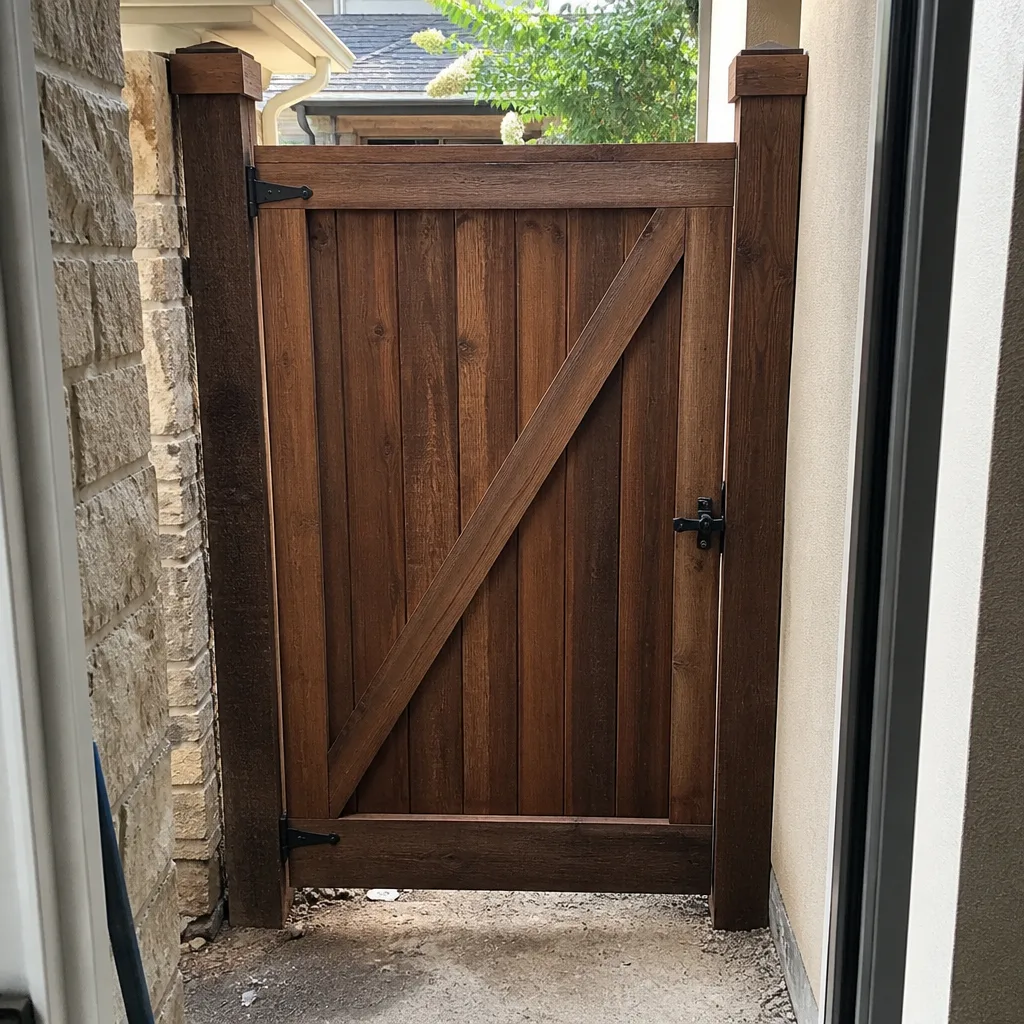 After
AfterThe Complete Guide to Gate Repair in Southlake
Most homeowners in Southlake don’t think about their driveway gate until the day it stops moving. Then it becomes the only thing they can think about, because the car is stuck on one side of it. Here’s something that surprises people: the most common gate failures we see in Southlake aren’t motor failures at all. They’re hinge problems, wheel failures, and control board faults caused by our specific weather patterns. This guide covers how gates actually fail in Southlake, what repairs cost here, which brands hold up best in our climate, and how to know whether to repair or replace. By the end, you’ll know exactly what to expect when you pick up the phone.
Quick Answer
Gate repair in Southlake typically costs between $150 and $900 for common issues like hinge replacement, wheel repair, and opener adjustments, with full automation system replacements running $1,800 to $4,500. Most driveway gate repairs can be completed in a single visit by a qualified technician, and at Ironworks Gate Co. the price is agreed before any work begins. Call (817) 580-8494 for a free estimate from a Southlake gate specialist who has been doing this work for over 42 years.
Table of Contents
- How Gates Fail in Southlake
- What Gate Repairs Actually Cost in Southlake
- Which Gate Opener Brands Hold Up Best in North Texas
- What a Single-Visit Gate Repair Actually Involves
- Repair or Replace: How to Decide
- Gate Access Control Repairs: Keypads, Intercoms, and Safety Edges
- Common Mistakes to Avoid
- When to Call a Professional
- Frequently Asked Questions
- The Bottom Line
How Gates Fail in Southlake
Southlake has a specific climate that accelerates certain gate problems and leaves others almost unheard of. Summers bring sustained triple-digit heat that cooks control boards and expands steel. Spring storms bring wind gusts that stress gate leaves and knock alignment out of true. Winter brings hard freezes that expose weak batteries and brittle wiring connections. We see the same failure patterns repeat year after year in neighborhoods from Timarron to Carillon to the estates along Dove Road.
The single most common failure we encounter in Southlake is the hinge, not the motor. Steel gates are heavy. A typical 14-foot ornamental steel gate weighs 400 to 600 pounds. All of that weight hangs on two or three hinge points, and over fifteen or twenty years, those hinges wear. The gate starts to sag. Then the sag puts strain on the opener, which has to work harder. That extra strain burns out the motor. The homeowner calls us thinking the motor died. The motor died because the hinge was failing and nobody noticed.
Here are the failure patterns we see most often in Southlake, in order of frequency:
- Hinge wear and sagging: The gate drops a quarter-inch, then a half-inch, and the opener fights it every cycle. Fixing this early is inexpensive. Fixing it late means a new motor.
- Control board failures from heat: Southlake’s August heat kills circuit boards. Boards mounted inside metal enclosures with no ventilation can reach 140 degrees or more. Capacitors swell and fail.
- Slide gate wheel and track problems: Slide gates on Southlake estate properties collect gravel, dirt, and landscape debris in the track. Wheels bind. The gate jams halfway.
- Safety sensor misalignment: Photo-eye sensors get bumped by lawn equipment or shift with frost heave. The gate refuses to close. It thinks something is in the way.
- Battery failure in cold snaps: Backup batteries weaken in freezing weather and the gate loses power to open or close at the exact moment you need it most.
Understanding how gates fail matters because it determines what the fix costs. A sagging hinge caught early is a $150 job. A burned-out motor caused by ignoring that sag for two years is a $700 job plus the hinge repair. In Southlake, where most homes are on large lots and the gate is a true daily-use fixture, small problems become big ones faster than homeowners expect.
What Gate Repairs Actually Cost in Southlake
Gate repair pricing in Southlake falls into predictable ranges, and you should expect a written estimate before any work is authorized. We quote every job upfront and settle the price before a single bolt is turned. No surprises on the bill. That’s a square deal, and it’s how we’ve done business across Southlake for decades.
Here’s what typical gate repairs cost in this market:
| Repair Type | Typical Cost Range in Southlake | Time on Site |
|---|---|---|
| Hinge replacement (per hinge set) | $150 - $400 | 1-2 hours |
| Wheel or roller replacement (slide gate) | $180 - $350 | 1-2 hours |
| Gate alignment and adjustment | $120 - $250 | 1 hour |
| Control board replacement | $350 - $800 | 1-1.5 hours |
| Safety sensor replacement | $125 - $225 | 45 minutes |
| Full opener replacement (motor and controls) | $1,200 - $2,800 | Half day |
| Complete automation package (opener, sensors, keypad) | $1,800 - $4,500 | Full day |
Several Southlake-specific factors move these numbers. Gate size matters: estate gates in neighborhoods like Westlake and along Continental Boulevard tend to be longer and heavier, which means heavier-duty hinges and larger motors. Access matters too. If your gate opener requires digging or concrete work to replace the operator arm, that adds labor. And brand matters: parts for high-end automation brands like BFT and Viking cost more than entry-level parts, but they last longer in Southlake’s heat.
What distinguishes Southlake pricing from, say, Fort Worth or Grapevine, is the prevalence of larger custom and semi-custom gates on acreage and estate properties. These gates were often welded on site, and repairing them well means knowing how the original builder put them together. That’s the welding craft side of the work, and it’s why we never send a technician who hasn’t been trained on both the metal and the motor.
One thing to watch for: any quote that seems dramatically lower than these ranges. We’ve fixed too many Southlake gates where a handyman replaced a hinge with a gate-Home Depo hinge not rated for the weight, and the gate sagged again in six months. The price was low. The job wasn’t done right.
Which Gate Opener Brands Hold Up Best in North Texas
Southlake homeowners ask us this all the time, and our answer comes from servicing gates in this climate, not from a catalog. The truth is that no opener brand is perfect for every installation, but certain brands handle North Texas conditions better than others.
BFT and Linear make openers that we routinely see lasting 10 to 15 years on Southlake driveways when properly maintained. Their control boards are housed in better-ventilated enclosures and their motors are built for high-cycle use, which matters on a gate that opens six or eight times a day. We’re trained and certified on both, and we keep common replacement parts on the truck so most repairs happen in a single visit.
Viking produces some of the strongest operators for heavy ornamental gates like the ones common in gated Southlake communities. Their slide-gate operators handle the weight of a 20-foot steel gate without complaint. Ghost Controls builds reliable lighter-duty openers that work well for smaller residential gates, and we service those frequently as well.
The brand issue that matters most in Southlake is parts availability. Some older opener models have been discontinued, and finding a control board means calling around. We maintain a stock of hard-to-find boards for the brands we service, and when a board is no longer manufactured at any price, we’ll tell you plainly that it’s time to replace the opener rather than patch it.
What we tell Southlake homeowners is this: buy the opener that’s right for your gate’s weight and your usage, not the one that’s cheapest. A $400 opener on a 600-pound gate will fail within two years here. A $900 opener rated for that weight, installed correctly, will go a decade. The expensive part was choosing wrong.
What a Single-Visit Gate Repair Actually Involves
Most gate repairs in Southlake can be completed in one visit. That’s not a marketing claim. It’s how the work is structured when the technician arrives with the right parts, the right training, and the right equipment. Here’s the process step by step so you know what to expect:
- Diagnostic assessment: The technician spends the first 20 to 30 minutes testing the gate, the opener, the sensors, and the power supply. We rule out the simple causes first, because the simple causes are the most common.
- Written quote before any work: You get a specific number for the repair, itemized so you can see what you’re paying for. You approve it verbally and in writing. Nothing gets replaced without your go-ahead.
- The repair itself: Most hinge replacements, wheel changes, board swaps, and sensor replacements take under two hours. Welding repairs take longer because the weld has to cool properly before the gate is cycled.
- Full cycle testing: The gate is opened and closed a minimum of ten full cycles after any repair. Safety sensors are tested by interrupting the beam. Obstruction detection is verified. Limit switches are checked.
- Walkthrough and documentation: We show you what was replaced, explain what it does, and leave you with a written record of the work. Every job is protected by our 90-Day Done Right Promise, in writing, no paperwork or arguing. If it’s not right, we come back and make it right.
The single-visit reality depends heavily on the technician’s parts inventory. Our trucks carry the most common hinge sizes, control boards for the brands we service, sensors, and backup batteries for Southlake’s gate systems. When a part is rare, we order it and schedule the return visit quickly, but we tell you that clearly at the time of the estimate. No surprises.
Repair or Replace: How to Decide
This is the decision Southlake homeowners agonize over, and it’s one we’ve helped hundreds of families make. The honest answer is that repair is usually right when the gate and opener are under 15 years old and the failure is a single component. Replacement is usually right when the gate is sagging past the point of hinge adjustment, the opener has been repaired twice in two years, or the whole system is simply worn out.
Here’s a practical framework we use with Southlake clients:
- Repair if: The hinges are worn but the gate leaf is straight and sound. The control board failed but the motor tested fine. The opener is under 8 years old and this is its first repair.
- Replace the opener but keep the gate if: The gate itself is well-built and straight, but the opener is over 12 years old, has needed multiple repairs, or is a discontinued model with no parts available.
- Replace the whole system if: The gate is rusted through at the hinge points, the leaf is warped or cracked, or the gate was a cheap builder-grade installation that was never right from the start.
A properly maintained ornamental steel gate in Southlake can last 30 to 40 years. We’ve seen gates on estates in Southlake that were installed in the 1980s and still close like the day they were hung because the hinges were maintained and the owners replaced openers when they wore out. The gate is the frame. The opener is a component. Don’t replace a 30-year gate because a 10-year opener died.
One more consideration for Southlake specifically: when you replace a gate or an opener, you’re typically not required to pull a permit for a like-for-like replacement. If you’re moving the gate’s location, changing the setback from the street, or adding new electrical service, Southlake’s permitting office will likely require a permit and inspection. We can tell you which applies to your situation.
Gate Access Control Repairs: Keypads, Intercoms, and Safety Edges
Access control is the part of the gate system Southlake homeowners interact with every single day, and it’s also the part that gets the least attention until it stops working. A keypad that won’t accept the code. A call box that buzzes but doesn’t open. A safety edge that triggers for no reason and keeps the gate from moving. These are all repairable, and they’re all common.
The most frequent keypad problem in Southlake is weather-related. Our sun bakes keypad housings. The clear faceplate fades, the rubber buttons crack, and moisture gets inside. The fix is usually a new keypad or a weatherproof housing, and it’s a quick job for a technician who knows the wiring. Intercom and phone-entry systems are more complex, particularly on larger estates where the call box at the curb talks to a handset in the house. Those systems sometimes need reconfiguration, and we service all of the major access brands we carry.
Safety edges and photo-eye sensors deserve special mention because they’re both the most important safety feature on your gate and the most common source of false problems. A safety edge that’s physically damaged, or a sensor that’s been knocked out of alignment by a lawn mower, will keep your gate from closing. The gate isn’t broken. It’s doing exactly what it was designed to do: refuse to close when it detects an obstruction that isn’t there. A technician can replace the edge or realign the sensor quickly, and we always test the obstruction detection after the repair. That’s not optional. It’s how you keep kids, pets, and cars safe.
For Southlake families with more complex needs, gate automation can extend to full access systems: multiple keypads, remote controls for each driver, visitor call boxes, and integration with home security. We don’t oversell these systems. We’ll recommend exactly what fits the way you use your gate, and nothing you don’t need.
Common Mistakes to Avoid
- Ignoring a sagging gate. That quarter-inch droop is the earliest warning sign of hinge failure. Ignore it and you’ll be replacing a motor within two years. The hinge repair is a fraction of the cost of the motor.
- Lubricating the track instead of cleaning it. In Southlake’s dry spells, dust and gravel accumulate in slide gate tracks. Grease on top of grit makes a grinding paste that destroys wheels. Clean the track first. A dry, clean track is better than a greasy, dirty one.
- Buying a cheap replacement opener online. A budget opener rated for a 300-pound gate won’t move a 500-pound Southlake estate gate for long. You’ll pay for it twice: once for the opener and once for the repair call after it burns out.
- Adjusting limit switches yourself without understanding the travel arc. Gate limit settings control where the gate stops. Set them wrong and the gate slams the stops, damages the motor, or leaves a gap a child could slip through. This is a job for someone who knows the system.
- Letting landscaping grow into the sensor path. Grass, shrubs, and vines can block the photo-eye beam and keep the gate from closing. Trim the area around the sensors and the track regularly.
- Waiting until the gate fails completely to call. Gates rarely fail without warning. Strange noises, slower operation, and grinding sounds are all early symptoms. Catch them early and a minor adjustment becomes a $150 fix instead of a $700 replacement.
When to Call a Professional
Any time a gate involves electricity, motors, or a steel structure under tension, the safe move is to call someone who does this work every day. That’s not a sales pitch. Gate springs, torsion arms, and heavy leaves can cause serious injury if mishandled. A 600-pound gate that binds suddenly can crush a hand or worse. The trained eye sees the failure coming; the untrained eye sees it after it happens.
Call a professional if your gate is sagging, binding, noisy, or intermittent. Call if the opener runs but the gate doesn’t move. Call if the safety sensors aren’t working. Call if you smell burning near the motor. And call before you attempt any DIY weld on a load-bearing hinge: a bad weld is more dangerous than no weld. Ironworks Gate Co. offers free estimates in Southlake. Call (817) 580-8494 and a live person answers, 24 hours a day, 7 days a week. We’ll be there when we say, and the price is settled before we start.
Frequently Asked Questions
Gate repair in Southlake typically ranges from $150 for a minor hinge adjustment to $900 for a control board replacement, with full opener replacements running $1,200 to $2,800. The exact price depends on your gate’s size, the opener brand, and what failed. Call (817) 580-8494 for a free estimate, and the price is settled before work begins.
In most cases, yes. We keep common hinges, control boards, sensors, and batteries on the truck so most Southlake gate repairs are completed in a single visit. Call early and we’ll dispatch a technician to your property the same day. The price is quoted before any work starts, so you know exactly what you’re paying.
The most common gate problem we see in Southlake is hinge wear causing the gate to sag. A typical ornamental steel gate weighs 400 to 600 pounds, and over 15 to 20 years the hinges wear enough that the opener has to fight the gate on every cycle. Fixing the hinge early costs a few hundred dollars. Ignoring it burns out the motor. Call (817) 580-8494 and we’ll check the hinges before we touch the motor.
A quality gate opener in Southlake’s climate lasts 10 to 15 years when it’s properly sized for the gate and maintained. Cheap openers or openers rated for a lighter gate often fail within 2 to 4 years here. The heat is hardest on control boards, which is why we stock replacement boards for the brands we service and test every board we install. Ask about our $89 Seasonal Tune-Up to keep your system running.
Yes. We service driveway gates on standard lots and large estate gates throughout Southlake, including properties on acreage with slide gates, custom ornamental gates, and full access control systems. Those larger gates need technicians who understand how the original builder welded the frame and how to integrate the automation correctly. That’s exactly what we do.
Every gate repair and installation we complete in Southlake is covered by our 90-Day Done Right Promise. It’s a written guarantee with no paperwork and no arguing: if something isn’t right, we come back and make it right, every time, on every job. It applies to parts and labor, and it’s honored on the 400th job the same as on the first. That’s the Keystone Standard and we put it in writing.
The Bottom Line
Gate repair in Southlake is not complicated when you understand how gates actually fail here: hinges wear from the weight of ornamental steel, control boards cook in the Texas sun, and slide gates grind through gravel from our roads. Catch the problems early and the repairs are inexpensive. Ignore them and you’ll replace motors that didn’t need to die. The brands that last in this climate are the ones built for heavy cycle use and properly sized for the gate. And the repair itself should be quoted upfront, done in a single visit, and backed in writing. Done right, and backed in writing. That’s the standard, and it’s the only one we keep.
If your Southlake gate is sagging, noisy, intermittent, or dead, call Ironworks Gate Co. at (817) 580-8494. A live person answers 24 hours a day, 7 days a week. You’ll get a free estimate, an upfront price, and a written guarantee behind the work. We’ve been serving Southlake homeowners for over 42 years, and the company that makes a 40-year-old gate close like the day it was hung is the company you want turning the wrench on yours.
Written by Victor Salinas, Owner at Ironworks Gate Co., serving Southlake since 2013.